2–4h
Of daily work spent manually entering orders from multiple channels.

Custom software for fully connected operation.
More visibility, less friction.
Behind each order, lot or shipment there are multiple transfers of information between departments. If these depend on disconnected systems or manual validations, the operation gains complexity and loses agility.
The result is administrative work: reviewing formats, re-entering data, checking records and consolidating information for decisions. The underlying issue is usually how data moves around the process rather than the process itself.
To solve this friction, Akaen connects the systems you already use, keeping these workflows connected. Our goal is to reduce repetitive tasks and improve visibility for operations, quality and management, without rebuilding what already works.
Food and beverage businesses commonly receive orders by email, customer portals, EDI or phone. Without a shared integration, administrative staff must review formats, validate data and enter orders manually.
Receiving, production, warehouse and shipping information is not always unified. When a query requires rebuilding the route of a batch, the response may depend on several systems, intermediate records or manual validations.
Records of quality, cleanliness, temperatures or critical points are usually generated in different tools and formats, which means that an audit involves time for searching, reviewing and document consolidation before presenting evidence.
When there are several plants, production facilities or outlets, planning and stock visibility can become fragmented. Coordination ends up relying on cross-checks, shared spreadsheets and manual communication between teams.
Production, sales, distribution and margin data are often held in different systems. When consolidation happens separately, operational visibility and decisions depend on reporting cycles that are slower than they should be.
Each international shipment may require certificates, health documentation and different validations depending on the country. When this management is not structured, the commercial and logistical process gains unnecessary complexity.
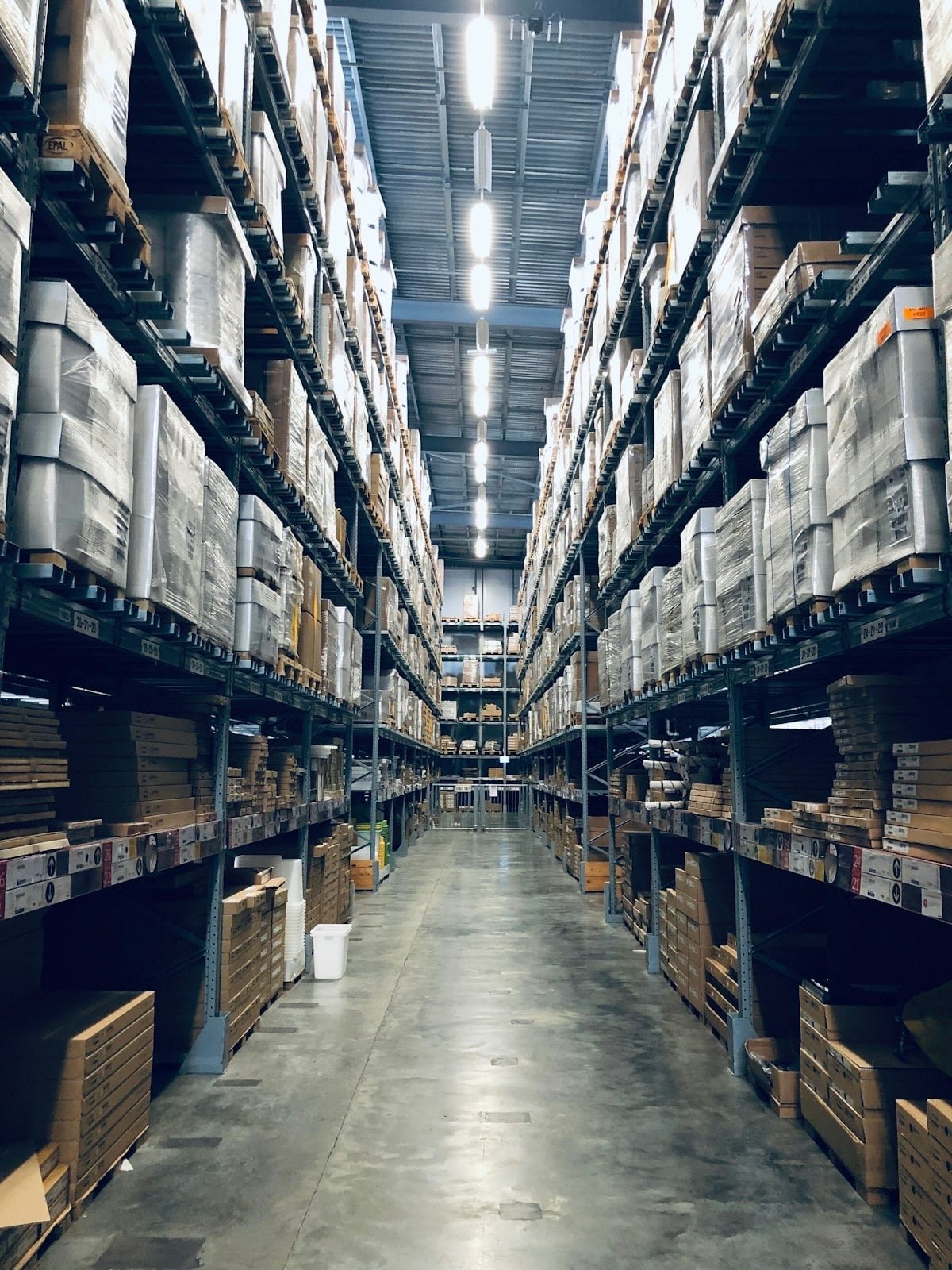
When orders arrive through different channels, the problem is not usually the volume, but the lack of a common flow. Email, EDI, client portals or attachments end up living together with parallel administrative processes.
We design integrations to standardise and validate incoming orders and send them to the ERP with much less operational friction. The team can focus on real exceptions rather than transcription.

In organisations with several plants, production facilities or outlets, daily coordination depends on knowing what is being produced, how much stock remains and where capacity is available at any given time.
We connect systems across all sites to consolidate visibility in one place. This simplifies planning, reduces duplication and improves coordination between operations, purchasing and sales.

Traceability matters beyond recalls and audits. It also determines how quickly quality, production and logistics teams can access reliable information when operations demand it.
We integrate receiving, production, warehousing and dispatch so that each batch’s journey and its documentation are organised, accessible and ready for queries, audits or internal reviews.

Production, sales, distribution and margin data are often held in different systems. When consolidation happens separately, operational visibility depends on reporting cycles that are slower than they should be.
We design dashboards connected to actual data sources so decision-makers receive up-to-date information. One view, less manual consolidation and a faster response.
You may also be interested in
Decide what to automate, in what order and with what return. Start free with a first look in 72 hours.
What an industrial company could automate, department by department. A sample first look.
Orders received by email, PDF or portal and entered automatically into the ERP. Your team reviews exceptions.
We review how your operations work today, where the manual workload is concentrated, which systems are involved and what makes most sense to automate first.
We define the workflows, integrations, rules and scope, then validate them with you before building. This gives the project a clear direction, realistic timelines and fewer surprises.
We develop, test with real data and launch the solution while protecting day-to-day operations. We train the team so everyday use feels natural from day one.
We keep making sure everything works: monitoring, providing support, resolving issues and suggesting improvements based on actual use so the process continues to evolve.
No obligation. A short conversation to understand your situation and see where we can help.
Full carcass traceability, integrated cold chain records and digitised veterinary documentation.
Coordination of production facilities and outlets, allergen documentation management and order automation for short shelf-life products.
Batch and ageing control, export documentation and excise tax management.
Origin traceability, expiry and stock rotation management, quality documentation and certifications.
Integrated cold chain systems, batch and expiry traceability, and documentation for health regulations.
Traceability of raw materials, B2B business cycle management, regulatory compliance in multiple countries.
Autonomous AI Agents
Agents that process multichannel orders, manage quality incidents, and automate batch traceability.
Systems Integration
We connect ERP, WMS, POS, customer portals and EDI channels to unify operations without duplication.
Knowledge Assistants
Immediate access to technical data sheets, HACCP, process instructions and food safety regulations.
We assess your operations, identify where improvements make sense and propose a realistic starting point, with no obligation and a focus on operational impact.
Cookies
We save your preferences and use optional analytics and advertising cookies if you accept them. You can accept, reject or configure each category. Google may receive cookieless measurements even if you reject optional cookies. Read our Cookie policy.